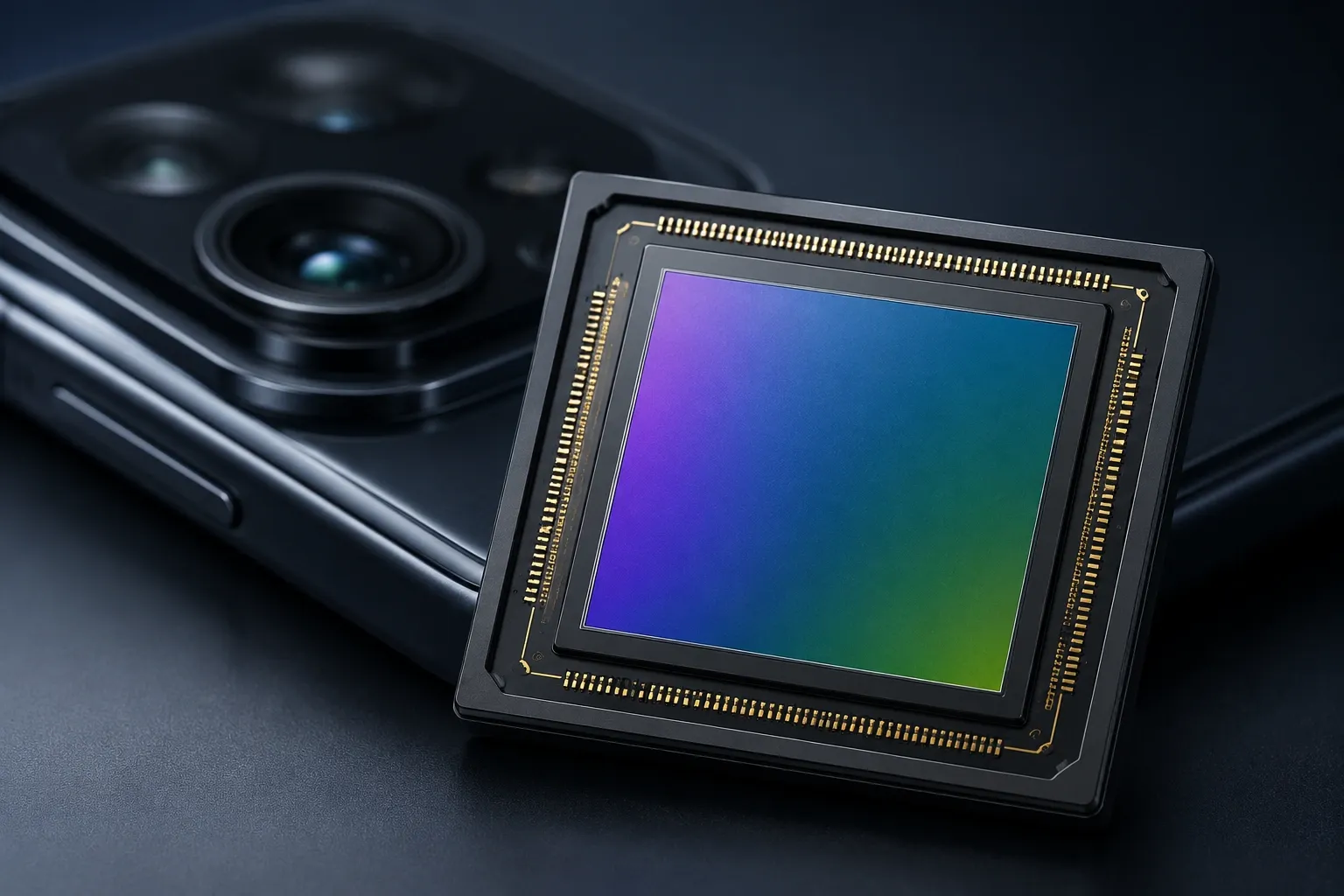
Sony has introduced the new LYTIA 610 image sensor, a 64-megapixel mobile camera sensor designed specifically to improve telephoto camera performance in smartphones. The 1/2-inch sensor brings Sony’s new RB2×2 On-Chip Lens (OCL) pixel structure to mass production for the first time, delivering more than 20% higher spatial resolution compared to previous Sony sensors with the same pixel size.
The announcement matters because telephoto cameras often lag behind primary smartphone cameras in image detail and autofocus performance. Sony says the LYTIA 610 combines improved resolution and autofocus capabilities within a compact sensor format, potentially reducing the image quality gap between zoom cameras and main camera systems.
The Sony LYTIA 610 is a 64MP CMOS image sensor featuring a 1/2-inch optical format and 0.7μm pixel size. It uses a new RB2×2 OCL pixel architecture that combines high-resolution image capture and autofocus functions on the same sensor. Sony has also developed a dedicated remosaic processing system optimized for this structure.
According to Sony, the new design improves spatial resolution by more than 20% compared to the LYTIA 601 while maintaining strong phase-detection autofocus performance. This allows telephoto modules to capture finer details without sacrificing focusing accuracy.
The sensor supports 4K video recording at up to 120 frames per second, a first for Sony's 1/2-inch mobile image sensor category. It also supports HDR video capture, helping manufacturers offer advanced video features on secondary camera modules rather than limiting them to the primary sensor.
Sony says the faster readout speed and improved image processing can help create a more consistent shooting experience across multi-camera smartphone systems. Users may notice fewer differences in detail and focus performance when switching between the main and telephoto cameras.
The LYTIA 610 is aimed at premium smartphones that rely on dedicated telephoto cameras for optical zoom photography. Higher spatial resolution can improve fine detail in distant subjects, while enhanced autofocus performance may help maintain image clarity when capturing moving objects.