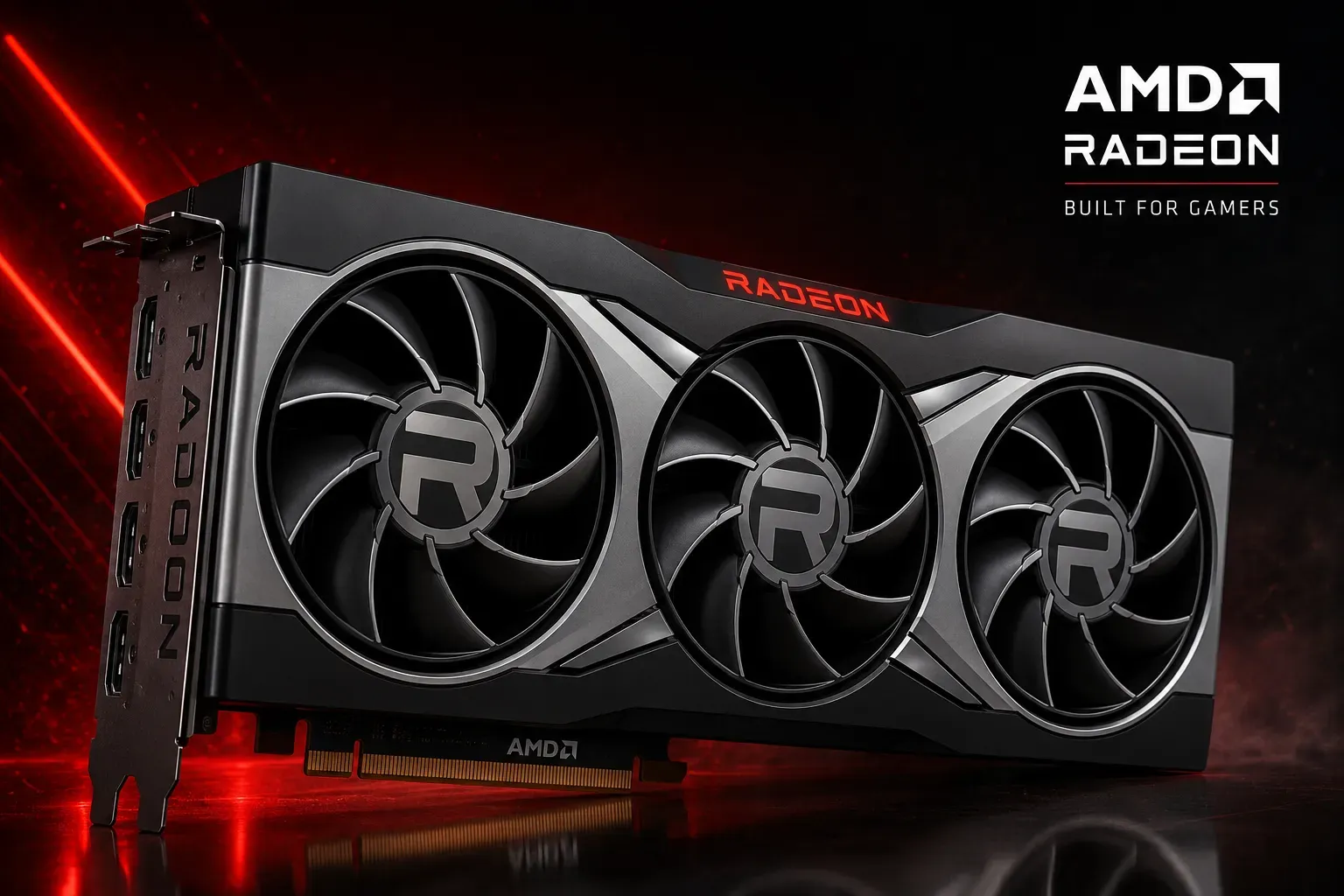
AMD is reportedly preparing to raise GPU prices by 10 to 15 percent starting in July. This hike stems directly from an AI-driven memory shortage that has seen GDDR6 costs surge by 30 percent, effectively killing any chance of stable graphics card pricing this year.
Gamers briefly caught a break recently when RX 9070 XT pricing finally settled near its $599 MSRP. As an industry analyst, I’ve watched MSRP figures become pure marketing fiction over the last five years. This brief stabilization was never a trend; it was merely the eye of a semiconductor hurricane. The memory market is fundamentally broken for consumers, and manufacturers are quietly shifting the pain of AI infrastructure demand directly onto retail buyers.
According to Japanese tech site Gazlog, AMD's anticipated increase will hit sometime in the second half of the year. For a $599 RX 9070 XT, a 15 percent bump translates to roughly $90 to $105 added to the final retail price.
Posts on the Chinese Board Channels forum corroborate the move, noting that while a small October price increase never trickled down to consumers, this new adjustment will be much larger. The forum indicates the hike will span AMD's entire portfolio, from mainstream Radeon cards to workstation and AI hardware.
The root cause isn't corporate greed—it's ruthless supply and demand. Foundries are sidelining consumer graphics memory to build highly profitable AI components.
Board Channels reports that DDR5 prices have rocketed 60 percent since September, with broader DRAM pricing up an astonishing 170 percent year-over-year. To feed the AI boom, manufacturers are prioritizing High Bandwidth Memory (HBM) and server-grade DDR5 over standard graphics memory. GDDR6 capacity is being cannibalized, leaving consumer GPU makers to absorb the shortfall.