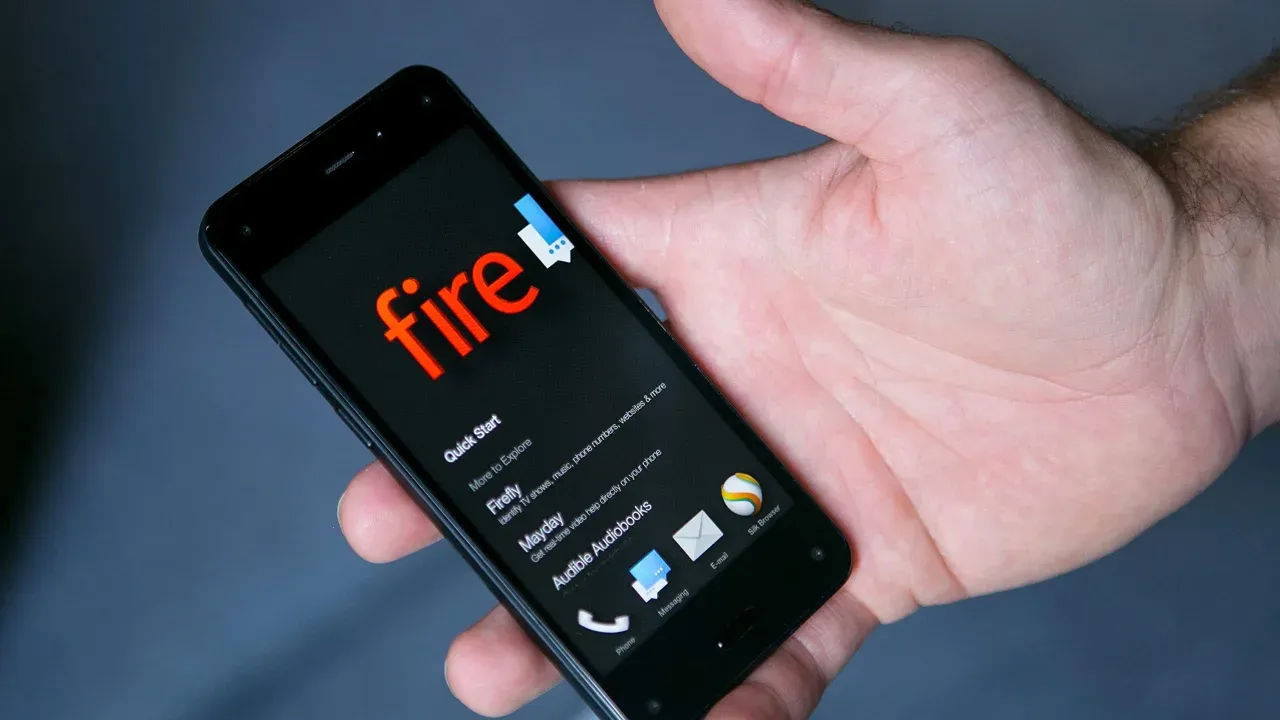

Amazon is reportedly working on a new smartphone, often referred to as a Fire Phone successor, marking its potential return to the mobile market after more than a decade. Early information points to a strong emphasis on artificial intelligence, voice interaction, and deep integration with Amazon services, although the company has not confirmed specifications, pricing, or a launch timeline.
This development matters now because Amazon’s ecosystem has expanded far beyond what existed during the original Fire Phone era. With Alexa, Prime services, smart home devices, and cloud infrastructure all firmly established, a smartphone could act as a central control point. And that changes the equation.
Read Also:- Redmi Note 15 5G Launch in India: Full Specifications, Features, and Market Position
The upcoming Amazon Fire Phone successor is expected to focus less on experimental hardware and more on software-driven experiences. Reports indicate the device is being designed around AI-first interactions, likely powered by Alexa, enabling users to navigate apps, shop, and control devices through voice and contextual commands rather than traditional touch-heavy interfaces.
That’s a noticeable shift. Instead of adding new hardware tricks, Amazon appears to be simplifying how users interact with their phone. The aim seems to be reducing friction in everyday tasks, whether that’s ordering products, managing subscriptions, or controlling smart home devices.
At this stage, there are no confirmed details about the display size, resolution, or build materials. Still, industry standards in 2026 suggest that any competitive smartphone would include a high-resolution OLED panel, likely with a refresh rate of at least 120Hz and minimal bezels.
Read Also:- Realme 16 Pro Plus 5G: 200MP Camera, AMOLED Display and Full Specifications Explained
But nothing is official. Amazon has not revealed whether it will target premium hardware or a more accessible price segment, which leaves the design direction uncertain for now.
Hardware details remain unverified, including the processor, RAM, and storage configurations. However, the real focus may not be raw specifications. Instead, performance is expected to be optimized around AI workloads and seamless integration with Amazon’s services.
Software will be critical. The original Fire Phone relied on Fire OS, a customized Android version without Google services, which limited app availability. That approach created usability issues. This time, Amazon may need to rethink its strategy, either by improving compatibility or adopting a more open platform.
And that decision could define the product’s success.
If launched, the Amazon Fire Phone successor will likely appeal to users already invested in Amazon’s ecosystem. That includes Prime subscribers, Alexa users, and households using Amazon smart home devices.
Read Also:- Is Galaxy S26 Worth It If You Already Have S24 Ultra?
For these users, tighter integration could simplify daily tasks. Voice-based control might reduce the need to switch between apps. And services like shopping, streaming, and home automation could feel more unified.
For others, the appeal may depend on app support and overall usability. A smartphone still needs to function as a general-purpose device. That hasn’t changed.
Amazon’s reported return to smartphones signals a shift toward AI-driven, ecosystem-focused devices. The Fire Phone successor, if it materializes, appears to prioritize practical integration over experimental features.
Details are still limited. Much remains unconfirmed. But if Amazon addresses the shortcomings of its previous attempt and aligns its software strategy with current user expectations, this device could serve as a meaningful extension of its growing ecosystem.