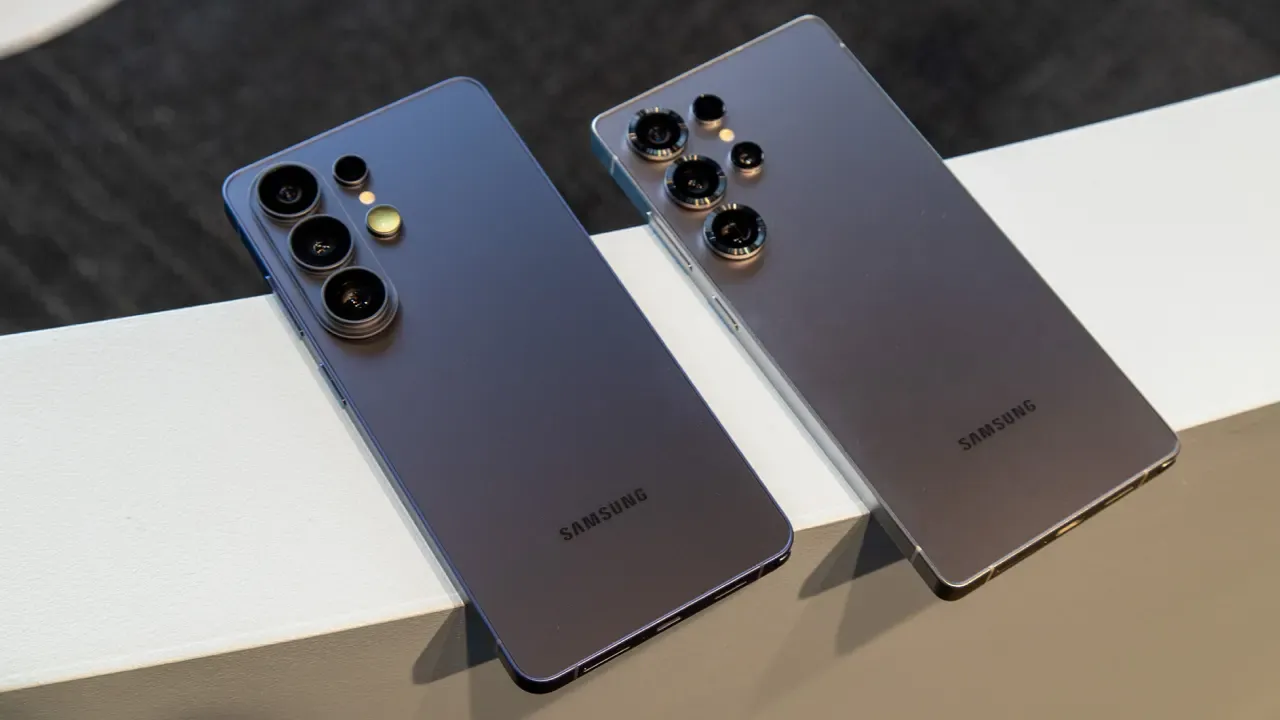
The Samsung Galaxy S27 Ultra is reportedly being prepared with UFS 5.0 storage, according to recent industry leaks. The next-generation standard is said to deliver interface speeds of up to 10.8 GB/s, which would mark a substantial jump over current smartphone storage.
This development is relevant as mobile hardware increasingly shifts toward on-device AI and heavier data processing. Faster storage can directly influence app load times, large file handling, and system responsiveness, especially in high-performance use cases.
UFS 5.0 upgrade and expected gains
The move from UFS 4.x to UFS 5.0 represents a generational increase in bandwidth. Existing flagship models, including the Samsung Galaxy S26 lineup, use UFS 4.0 or 4.1 with optimizations such as improved write handling and storage management.
UFS 5.0, however, is designed to push raw throughput further, with reported speeds reaching 10.8 GB/s. On paper, this brings mobile storage closer to entry-level PCIe Gen 5 SSD performance, though real-world results will depend on device-level implementation.
The reported upgrade aligns with the broader shift toward AI-driven smartphone features. Tasks such as generative AI processing, advanced image editing, and large media handling require faster access to stored data.
Higher bandwidth could reduce delays when loading large datasets or running models locally. This is particularly relevant as more processing moves on-device instead of relying on cloud-based systems.
Development timeline and industry context
The UFS 5.0 standard was recently finalized by JEDEC, and memory manufacturers are expected to begin commercial deployments in the near term. Earlier timelines had suggested a later rollout, but recent developments indicate that adoption could happen sooner in flagship devices.
Samsung’s position as a major NAND flash supplier may allow it to integrate the new standard earlier than competitors. Current reports, however, only point to the Ultra variant, with no confirmation regarding other models in the lineup.
In day-to-day usage, faster storage is expected to improve tasks such as app launches, file transfers, and system-level operations. The benefits may become more noticeable during intensive workloads, including high-resolution video editing or AI-based processing.
These improvements are tied to theoretical bandwidth gains, and actual performance will depend on software optimization and thermal management.
Most flagship smartphones expected in the near term are likely to continue using UFS 4.0 or 4.1 storage. If the Galaxy S27 Ultra introduces UFS 5.0 at launch, it could create a measurable performance gap within the premium segment.
This would position the device as an early adopter of next-generation storage, particularly as manufacturers compete on AI capabilities and sustained performance.
There is currently no official confirmation from Samsung regarding UFS 5.0 integration in the Galaxy S27 Ultra. Details related to power efficiency, heat management, and consistent performance across variants remain unclear.
It is also not confirmed whether the reported speeds will be available across all storage configurations.
Source: Gizmochina report, along with industry leaks (tipster yeux1122) and publicly available specifications.