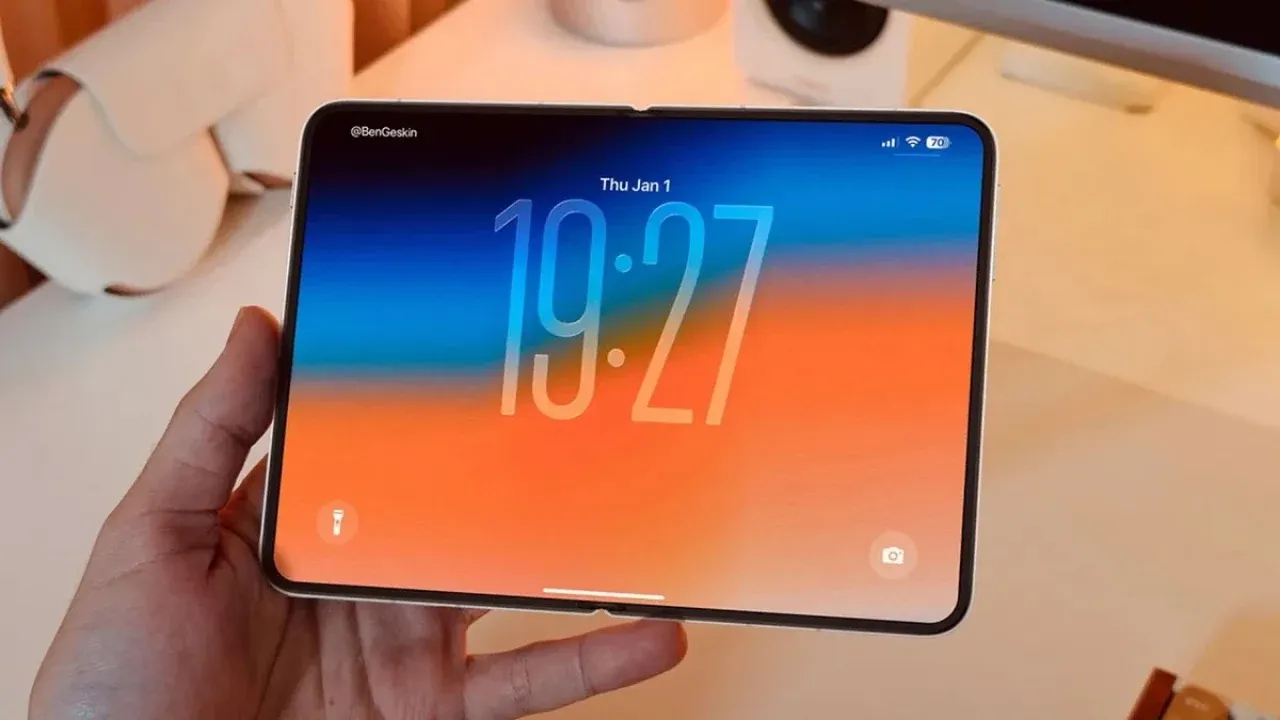
Apple’s first foldable iPhone is currently expected to debut around September 2026, aligning with the launch window of its flagship iPhone 18 Pro models. Reports indicate the device will adopt a book-style folding design with a large inner display close to 7.7 inches and a smaller outer screen around 5.5 inches, placing it directly in the premium foldable category.
The timing remains tentative, but recent updates suggest Apple is still targeting a late 2026 release despite ongoing engineering challenges. Early production constraints could limit initial availability, reflecting the complexity of foldable hardware.
Apple Foldable iPhone: Design and Display
The foldable iPhone is widely reported to feature a horizontal folding mechanism similar to existing large-format foldables. When opened, the device is expected to offer a near tablet-sized display, designed for multitasking and media consumption, while remaining compact when folded.
Apple is reportedly focusing on improving hinge durability and minimizing the visible crease on the inner screen. These areas have been consistent concerns in current foldable smartphones, and addressing them appears to be a priority for the company.
Performance and Software Direction
While specific hardware details are not confirmed, the device is expected to run on Apple’s next-generation silicon and ship with a version of iOS adapted for larger, flexible displays. Reports suggest the software experience may incorporate enhanced multitasking features, similar to what is seen on iPads.
The foldable iPhone is aimed at users who want a single device that can function as both a smartphone and a larger screen for productivity or entertainment. The expanded display could enable improved app usage, split-screen functionality, and a more flexible viewing experience.
Market Position and Competition
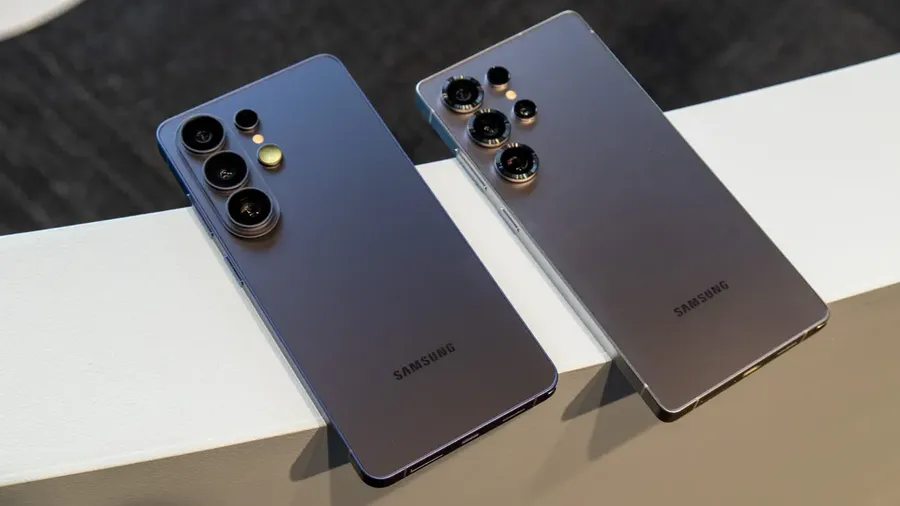
Apple’s entry into the foldable segment would position it against established devices from companies like Samsung and Google, both of which have already introduced multiple generations of foldable smartphones. These competitors have focused on refining durability and usability over time.
The device is expected to be positioned at the high end of the market, which may limit its accessibility. In addition, the complexity of foldable technology could result in constrained supply during the initial launch phase.
Apple’s foldable iPhone represents a significant expansion of its product lineup, with a focus on combining portability and a larger display experience. While the launch is expected in late 2026, final specifications and availability details will become clearer closer to release.