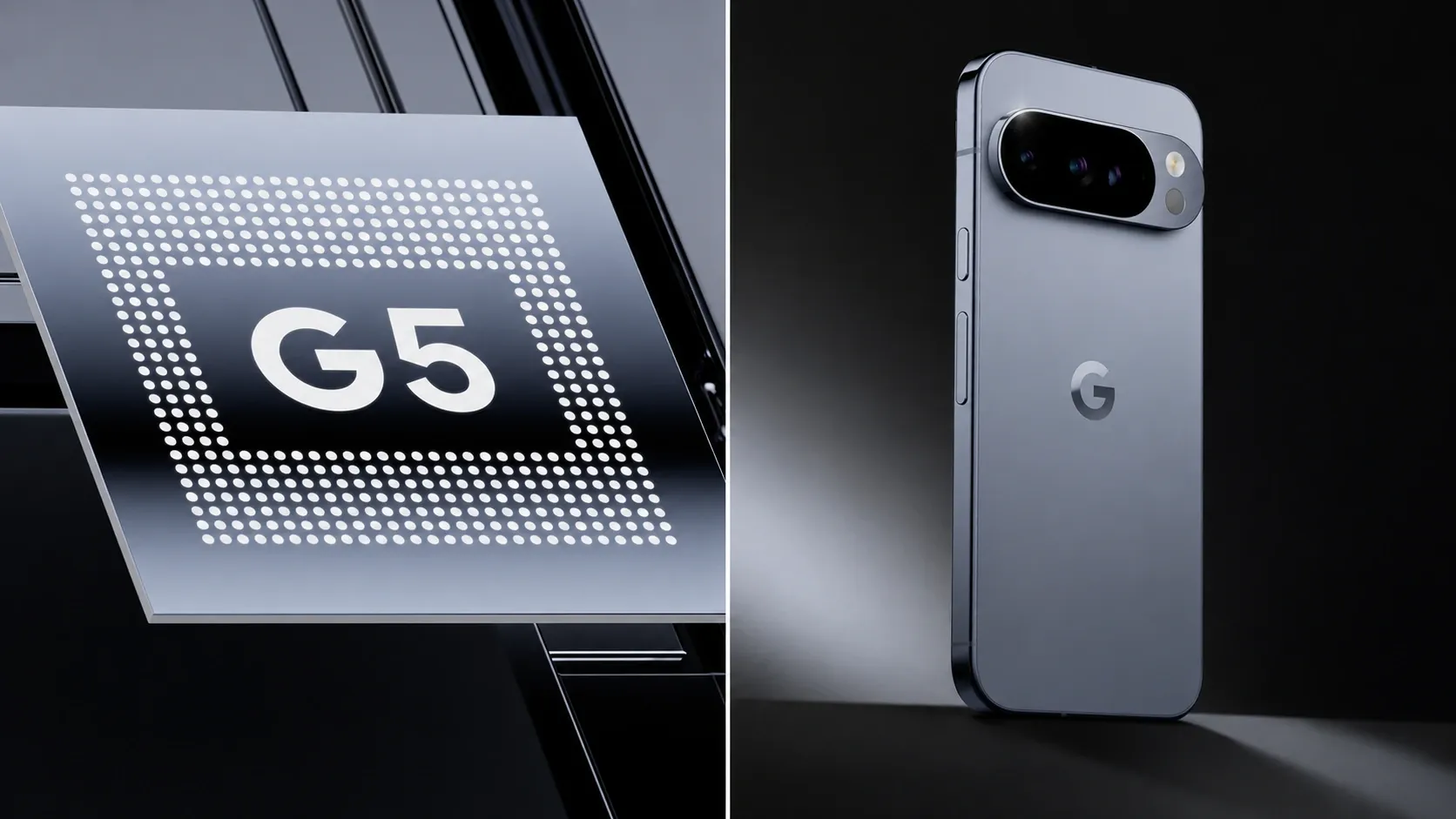
Google's Pixel smartphones continue to demonstrate how closely integrated hardware and software can improve everyday performance. Based on hands-on impressions with the Pixel 8 Pro and Pixel 10 Pro XL, devices powered by Google's Tensor chipset feel consistently responsive during daily use, despite Tensor often trailing flagship competitors in raw benchmark scores.
The experience highlights Google's software-first approach. Fast app launches, fluid animations, and responsive navigation remain key strengths of the Pixel lineup, showing that real-world performance depends on more than processor specifications alone.
Google designs Tensor chips specifically for Pixel smartphones, allowing the company to optimize Android, system services, and AI features around its own hardware. This close integration helps maintain smooth multitasking, quick UI transitions, and efficient background task management across supported Pixel devices.
In everyday use, the Pixel 8 Pro and Pixel 10 Pro XL deliver a responsive interface that feels competitive with many flagship smartphones. While benchmark numbers measure peak processor performance, regular activities such as messaging, browsing, photography, and app switching are influenced heavily by software optimization and resource management.
Google's version of Android is tuned specifically for Tensor-powered Pixel devices. Features such as animation timing, memory management, and AI-powered processing work together to create a consistent user experience. As a result, the phones often feel faster in practice than benchmark comparisons alone might suggest.
Tensor processors are primarily developed for Google's Pixel ecosystem rather than broad adoption by other smartphone manufacturers. Because the chip and software are designed together, the overall experience reflects Google's optimization strategy rather than processor performance in isolation.
The Pixel 8 Pro and Pixel 10 Pro XL demonstrate that software optimization remains one of the biggest factors in smartphone performance. Although Tensor chips may not always lead synthetic benchmarks, Google's integration of hardware and software delivers a smooth and responsive experience in everyday use.