Samsung Unveils First UFS 5.0 Storage Solution With Faster AI Processing and App Performance
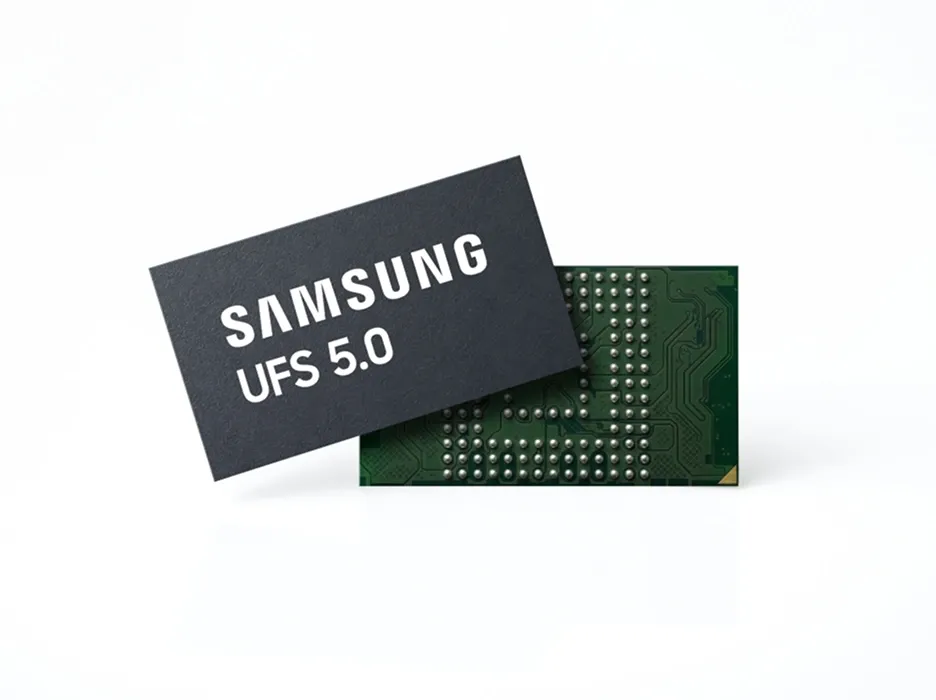
Samsung has announced its first UFS 5.0 storage solution, marking a significant step forward for smartphone and mobile device storage. The new standard is designed to deliver faster data transfer speeds, improved power efficiency, and better support for on-device AI workloads, which are becoming increasingly important in modern smartphones.
The UFS 5.0 storage solution arrives as smartphone manufacturers continue to integrate advanced AI features directly into devices. Samsung says the technology is built to handle larger AI models, quicker app launches, and faster processing of high-resolution photos, videos, and gaming content while maintaining efficient power consumption.
The new UFS 5.0 standard improves data throughput compared to previous-generation UFS storage, allowing devices to access and process information more rapidly. Faster read and write speeds can reduce loading times for applications, improve multitasking performance, and support demanding AI-based features that rely on quick access to stored data.
Samsung developed the storage solution with next-generation mobile devices in mind, including flagship smartphones, tablets, and AI-powered products. As AI tasks increasingly run locally rather than in the cloud, storage performance has become a critical component of overall device responsiveness.
The company highlights that UFS 5.0 is optimized for handling large datasets required by generative AI applications. Users may notice quicker responses from AI assistants, faster image processing, and smoother execution of advanced software features that depend on high-speed storage access.
Beyond smartphones, the technology could also be adopted in automotive systems, augmented reality devices, and other connected products that require rapid data movement and low latency.
Samsung's introduction of UFS 5.0 positions the company among the first major storage manufacturers to advance beyond current UFS generations. The new standard is expected to support upcoming premium mobile devices as brands continue focusing on AI capabilities and performance improvements.