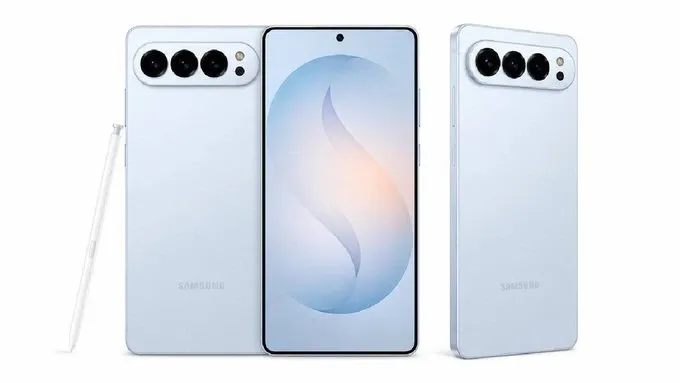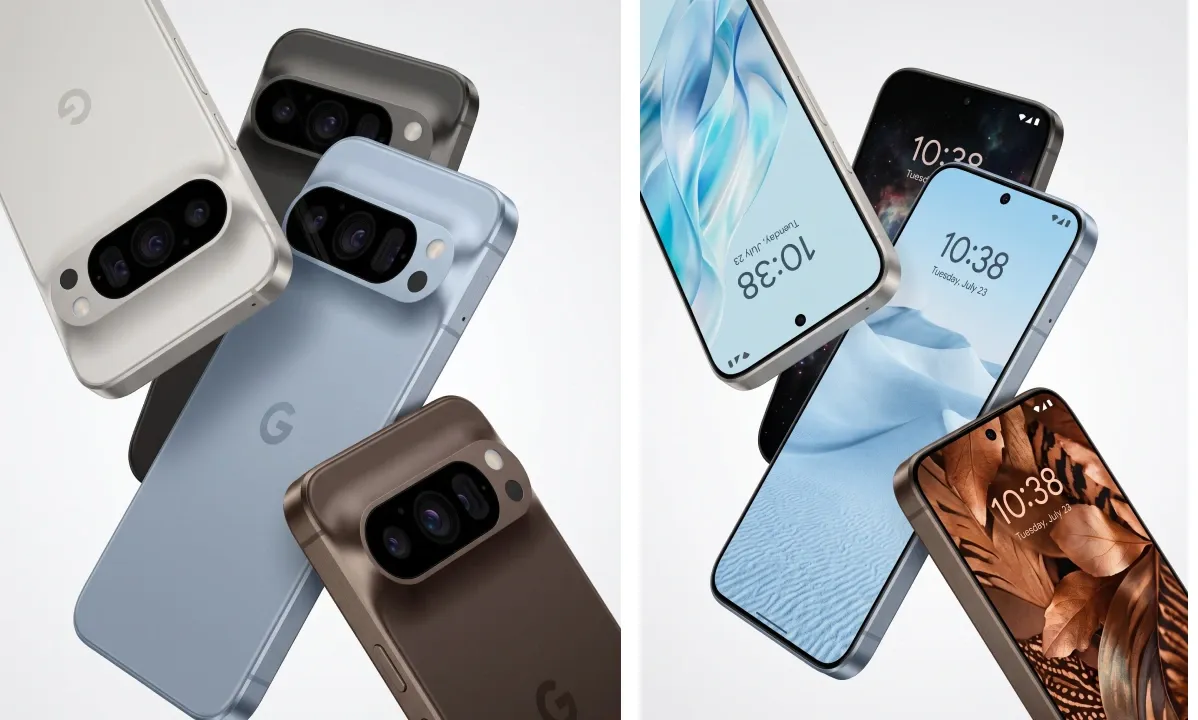
A new Google Pixel 11 Ultra leak has revealed what could be the company's most ambitious flagship smartphone yet. The leaked specifications point to a 6.59-inch 2K LTPO AMOLED display with a 144Hz refresh rate, a massive 6,900mAh battery, and Google's next-generation Tensor G7 Ultra chipset built on a claimed 1.2nm process.
The camera hardware also appears to receive a significant upgrade. According to the leaked details, the Pixel 11 Ultra could feature a 200MP primary camera, a new 100MP ultra-wide camera with a 128-degree field of view, and a 200MP periscope telephoto lens offering 8x optical zoom. Video recording support is listed at up to 8K at 24fps, alongside 4K recording at 30fps, 60fps, and 120fps.
The leaked display measures 6.59 inches and uses an LTPO AMOLED panel with 2K resolution and a 144Hz refresh rate. A 50MP front-facing camera is also mentioned, suggesting a notable jump in selfie resolution compared to previous Pixel models.
Powering the device is the Tensor G7 Ultra processor, paired with what is claimed to be a 1.2nm manufacturing process. While no RAM or storage configurations have surfaced yet, the chipset is expected to focus on flagship-level performance and advanced on-device AI capabilities.
The battery capacity is listed at 6,900mAh, supported by 65W wired charging and 30W Qi3 wireless charging. If accurate, this would make it one of the largest batteries in a premium flagship smartphone. The leak also points to a metal unibody design, marking a possible shift in Google's hardware approach.
If these specifications prove accurate, the Pixel 11 Ultra would target users who prioritize mobile photography, long battery life, and a high-refresh-rate display for gaming, multimedia, and everyday productivity. The large battery and upgraded charging speeds could also reduce the need for frequent charging during heavy use.
Based on the leaked hardware, the Pixel 11 Ultra would compete directly with premium flagship smartphones from Samsung, Apple, Xiaomi, and Vivo. Its high-resolution camera system and large battery could become key differentiators in the ultra-premium Android segment.